
Etsy has always been a marketplace that stands for creativity and craftsmanship. On Etsy, unlike anywhere else, buyers can connect with the real people and stories behind the items they buy. As a seller, you’re what makes that possible. The care and personal touch you bring to your shop helps create the sense of connection buyers expect when they shop on Etsy.
As new tools change how people create and run their businesses, we know AI raises big, complex questions for creative entrepreneurs: How can you use new technology to support your business without losing what makes your shop special?
AI will continue to evolve, but we’re committed to protecting what makes Etsy special. We believe:
- AI should support your creativity and craftsmanship, not replace them.
- Buyers should always be able to understand the role you play in every item you sell on Etsy.
We recognize we haven’t always addressed the topic of AI as directly or as quickly as you may have wanted. It’s changing fast, and like many of you, we’re thinking seriously about what it means for Etsy, what’s allowed on our marketplace, and how it impacts running a creative business.
At the heart of it all is the trust buyers and sellers have when they shop and sell on Etsy. AI is threatening that trust, and we have a responsibility to protect it. Today, many active buyers say they can’t tell which items involve AI-generated content. It’s become a top-three barrier to shopping more often on Etsy. And you, our seller community, have told us you’re concerned about your work appearing alongside items that use AI in misleading ways, and that it’s becoming harder for buyers to recognize your role in creating your items.
We're taking an important first step to address these challenges, focusing on three areas:
- Updating our policies to set clearer restrictions on AI use
- Strengthening how we detect and enforce our policies against misleading AI use
- Introducing new features to the Etsy experience to support trustworthy AI use
Updates to AI use on Etsy
Want a quick overview? Watch our video about these updates.
We’re updating our policies to set clearer restrictions on AI use
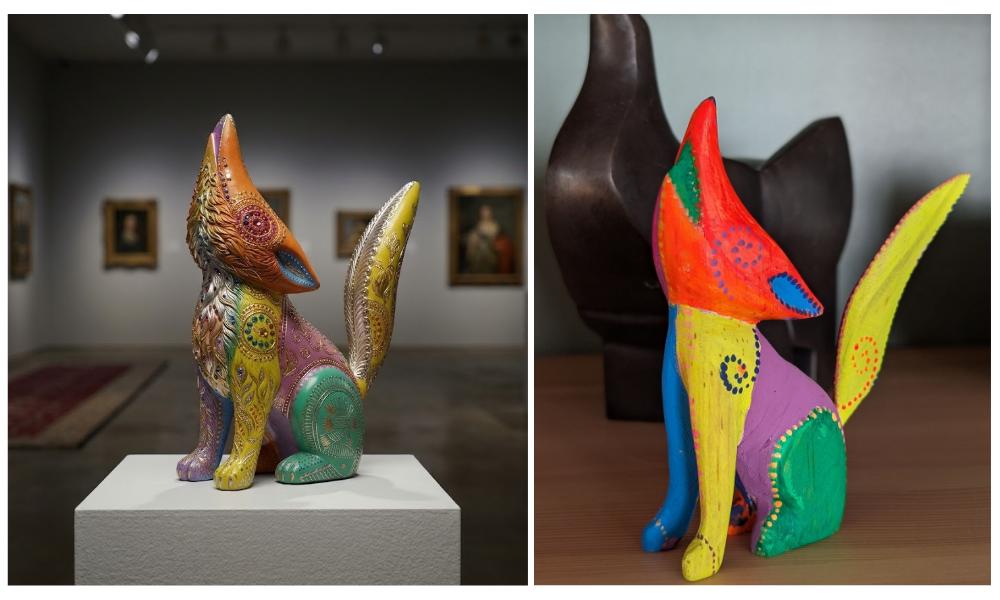
- Your listing must include at least one unedited photo of the actual item against a real background. Learn what counts as an unedited photo and which exceptions may apply to the items you sell. Some exceptions may apply depending on the types of items you sell.
- All of your photos must accurately represent the item a buyer will receive, without hiding flaws or damage or making the item appear different. Outside of your required unedited photo, you can still use photo-editing tools, including AI, to adjust lighting or color, crop or resize images, or change backgrounds.
- If you sell functional guides like patterns, recipes, or instructions, the information buyers rely on to create or use your item must be your own work, not generated by AI. This means AI-generated functional guides are no longer allowed on Etsy. For these listings, you’ll also need to show an actual result made using your instructions, not an AI-generated or simulated result, so buyers know what to expect.
- If your listing doesn’t meet our updated image requirements, and a buyer opens a case because the item they received is materially different from your listing, you may be responsible for refunding the buyer.
- Bot-generated listings without any human involvement aren’t allowed. These listings will be removed and may also result in your shop being removed from Etsy.
Read our updated Listing Image Requirements policy for more details.
Beyond these requirements, here are a few best practices to keep in mind when using AI in your listings:
- Your first listing image does not need to be the unedited photo, but make sure it is the clearest, most realistic representation of the item buyers will receive. Because it’s the first image buyers see, take extra care to make sure it accurately represents your item and isn’t misleading.
- If you use AI to edit any of your listing photos, note whether images were edited in your listing description. This gives buyers more context about how your listing images were created and helps you be transparent about your use of AI.
We’re introducing new features to the Etsy experience to support trustworthy AI use:
- Guidance for your listing photos: We’re adding guidance to the listing form when you add new images to any listings. If we detect AI-generated images, we’ll let you know and provide tips to help you accurately represent your items and meet our photo expectations. Over time, we’ll expand this guidance to existing images on listings, too.
- Stronger detection and enforcement: We’re investing in tools to better identify authentic versus misleading images and detect and remove listings that use AI to create fraudulent inventory. If your listing is removed, you’ll still be able to submit an appeal through the Policy violations page in Shop Manager, just as you would for other policy violations.
- Specific listing reporting: We’re adding a new reason to the existing “Report this item to Etsy” flag on listing pages, where members can already flag items for Etsy review. This new option will let members report listings that may use misleading AI imagery. To start, these reports will help us better understand how members perceive potential AI misuse and won’t result in immediate enforcement action.
- More transparency for buyers: In the coming months, we’ll explore more ways to give buyers helpful context about when AI has been used in content they see on Etsy, so they can better understand what they’re seeing and make informed decisions as they shop.
Looking ahead
These changes are our starting point, not the finish line. We know there’s more to address as AI evolves, along with how you use it and what buyers expect. We’ll keep making improvements across Etsy for sellers and buyers, evaluating our policies, expanding proactive enforcement, and building tools that help you demonstrate your authorship as we listen and learn what our community needs.
Your feedback is an important part of that work. Share your thoughts with our team through this brief survey.
Our goal is to provide clear guidance along the way, so you can move your business forward with confidence while keeping creativity, craftsmanship, and human connection at the heart of Etsy.
FAQs
How does this update impact Etsy’s policy on AI-generated art or products on the marketplace?
We know that people have different perspectives on AI-generated art, and we understand that it's a topic many feel strongly about. Etsy has long supported new technologies that help people bring their ideas to life, as long as human creativity remains central to the process.
That's why we'll continue to allow AI-generated art when sellers play a clear creative role in what they create and are transparent about their process. For example, this could include a fantasy scene based on a seller's original prompt or inputs and produced by an AI generator. Sellers must still disclose when an item is created using AI and cannot misrepresent AI-generated work as handmade or entirely their own creation.
At the same time, we're introducing new restrictions on AI-generated listings, including prohibiting bot-generated listings and AI-generated functional guides, such as patterns, recipes, and instructions.
We’ll closely monitor AI-generated art to help make sure our policies and experiences allow buyers to understand the seller's role in creating an item. Learn more about Etsy's approach to AI creations.
Do I need to update my existing listings to meet the new photo requirements?
We encourage you to review your listing images and make any needed updates as soon as possible. If a buyer opens a case because the item they received is materially different from your listing, you may be responsible for refunding them if your listing doesn’t meet our updated image requirements.
Separately, we plan to begin proactively enforcing these requirements in early 2027. We’ll provide advance notice before enforcement begins.
What counts as an unedited photo?
An unedited photo should show the actual item against a real background without changes to its appearance. You can crop or resize the photo, add a watermark, or change its file format.
If you make any of these allowed changes, make sure you’re not using AI-powered tools. Otherwise, our systems may flag your photo as AI-edited.
You only need one unedited photo per listing, even if your listing has multiple variations. Your first listing image does not need to be the unedited photo.
Some exceptions may apply depending on the types of items you sell. All your listing photos must accurately represent what the buyer will receive. Outside of your required unedited photo, you can use photo-editing tools, including AI, to adjust lighting or color, crop or resize images, or change backgrounds, as long as those edits don’t make the item appear different.

Why can’t I adjust the lighting in my unedited photo?
We know lighting can make a big difference in how you showcase your items. But some photo editing tools also use AI, and it may not always be obvious when AI is involved. Keeping at least one photo completely unedited helps provide a more accurate view of your item for buyers and helps us identify potentially misleading AI-generated or AI-edited images.
You can still adjust the lighting in your other listing photos, as long as those edits accurately represent what buyers will receive.
Why don’t unedited videos count toward the requirement?
Videos are a great way to show your items in action and help buyers feel confident about their purchases. But photos serve a different purpose, giving buyers a clear, still view of your item so they can take a closer look at its details.
Are there any exceptions to Etsy’s Listing Image Requirements?
Yes. Different requirements apply to certain items, including print-on-demand, digital, customized, and made-to-order items. Functional guides like patterns, recipes, or instructions also have specific requirements for showing finished results. Read our Listing Image Requirements policy to learn more about the requirements for your items.
What happens if Etsy detects AI-generated images when I’m creating a listing?
If we detect AI-generated images when you create a listing, we’ll provide tips to help you accurately represent your item and meet our photo expectations. Over time, we plan to more proactively enforce these requirements as listings are created.
What happens if someone reports my listing for potentially misusing AI?
We're adding a new way for buyers to report listings that may use misleading AI imagery. Initially, these reports will help us better understand potential AI misuse and won't result in immediate enforcement action.
To help make sure your listings meet our requirements, review your listing photos and make any needed updates. You can find more details in our Listing Image Requirements policy.
Beyond Etsy’s policies, are there other regulations I should be aware of when using AI in my listings?
Yes. If you sell to buyers in the United States, there may be additional regulations to keep in mind. For example, under a new California law, SB 1050, listing images or videos may be considered advertisements and may require a clear disclosure if they prominently feature an AI-generated synthetic performer.
A synthetic performer is a figure, voice, or representation created with generative AI that realistically appears to be a human performer, but isn’t an identifiable real person. The law takes effect January 1, 2027. If your listing images or videos feature AI-generated synthetic performers and may reach buyers in California, consider reviewing whether you need to include a disclosure and where it needs to appear so buyers are likely to see it. If a required disclosure is missing, it may violate California’s false advertising laws and could be subject to enforcement.
We encourage sellers to consult their own legal counsel if they have questions about which laws apply to their listings. We’ll continue to monitor regulations related to AI use and share relevant updates that may impact different seller communities.
 Words by James Ossman
James Ossman is Vice President of Customer Operations at Etsy, where he leads global teams across customer support, trust and safety, and international operations. He works to help ensure a safe and reliable experience for buyers and sellers around the world.